The first volume of Rob Davis's abstract adventure trilogy, The Motherless Oven, won the Best Book prize at the British Comic Awards in 2014. Its sequel, The Can Opener's Daughter, was praisedby The Guardianas "a dark, disorientating twist on the classic tale of kids against the world".
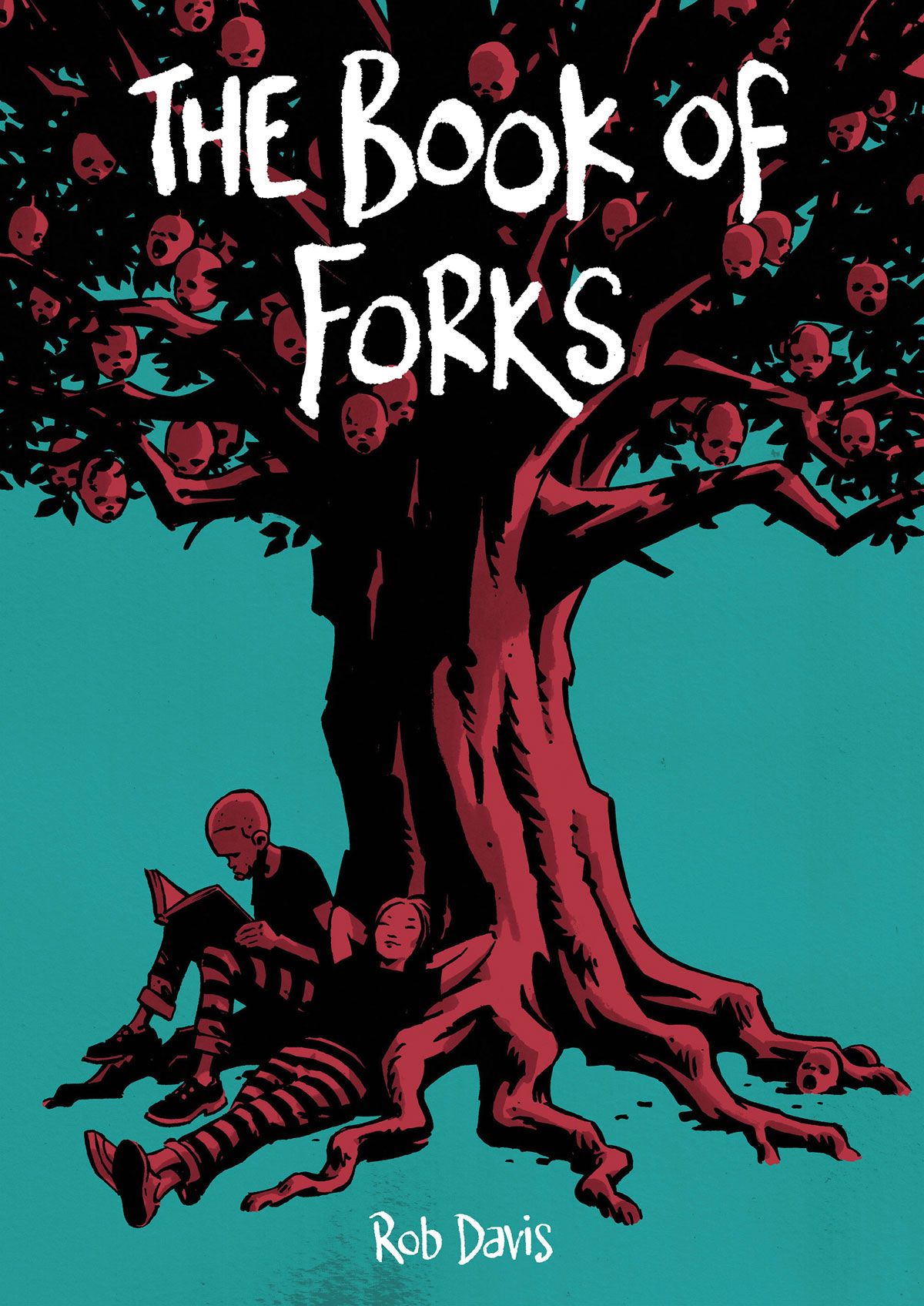
Now, the trilogy's much-anticipated final volume is on its way: The Book of Forks is released in October – and it looks incredible.
The Motherless Oven and The Can Opener’s Daughter may have raised more questions than they answered, but The Book of Forks explains everything.
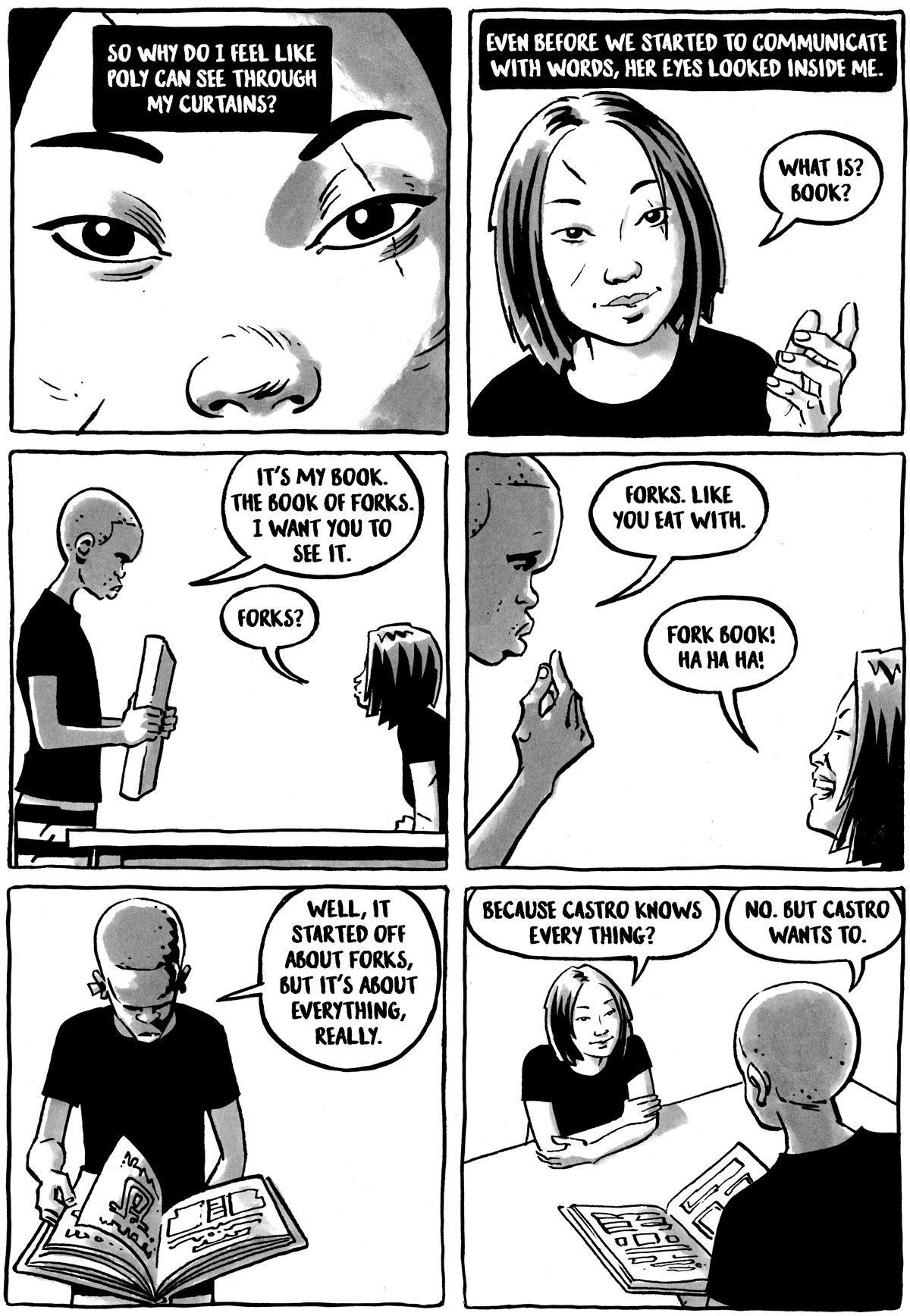
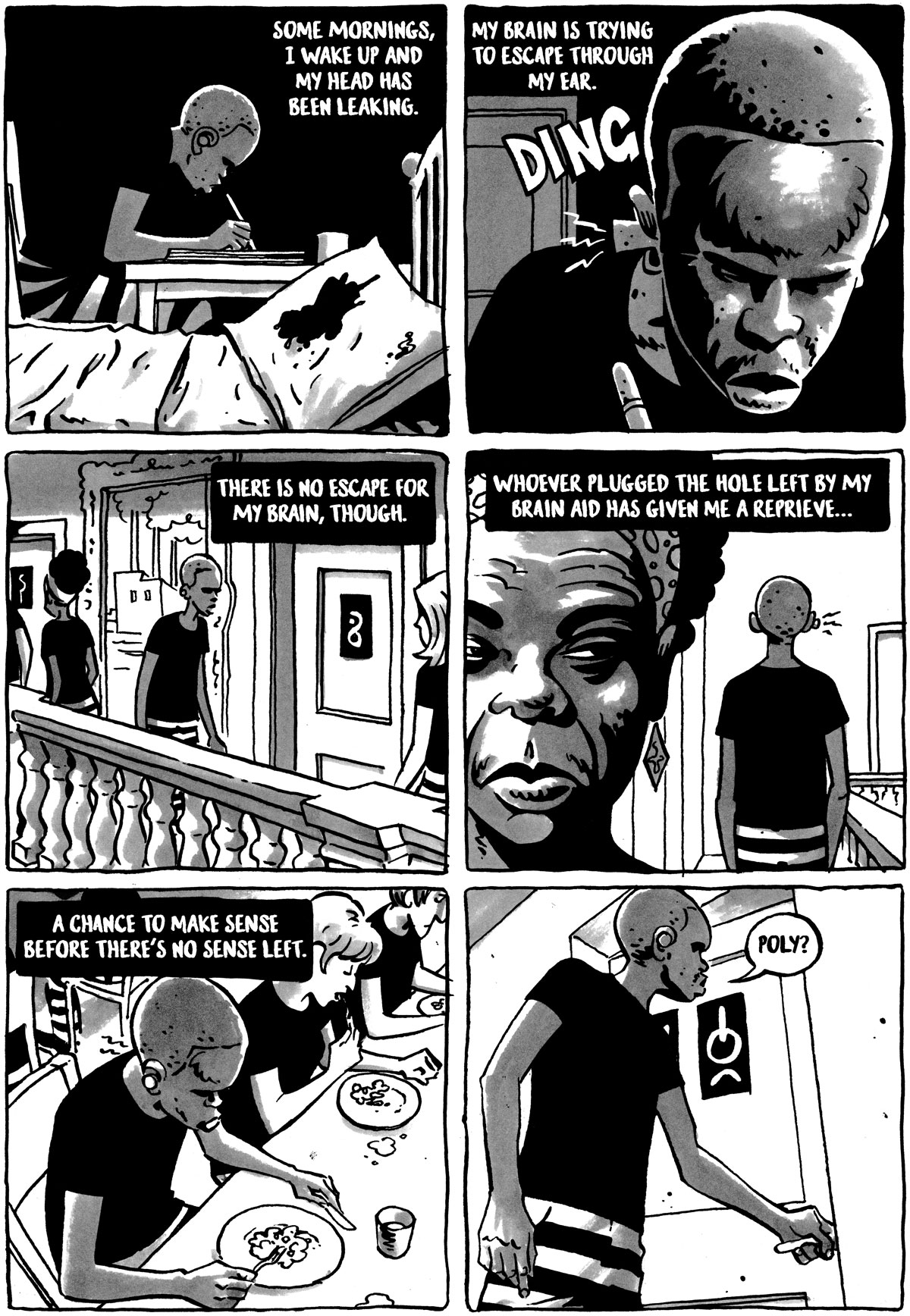
Castro Smith finds himself imprisoned within the mysterious Power Station, writing his Book of Forks while navigating baffling daily meetings with Poly, a troubled young woman who may be his teacher, his doctor, his prison guard… or something else entirely.
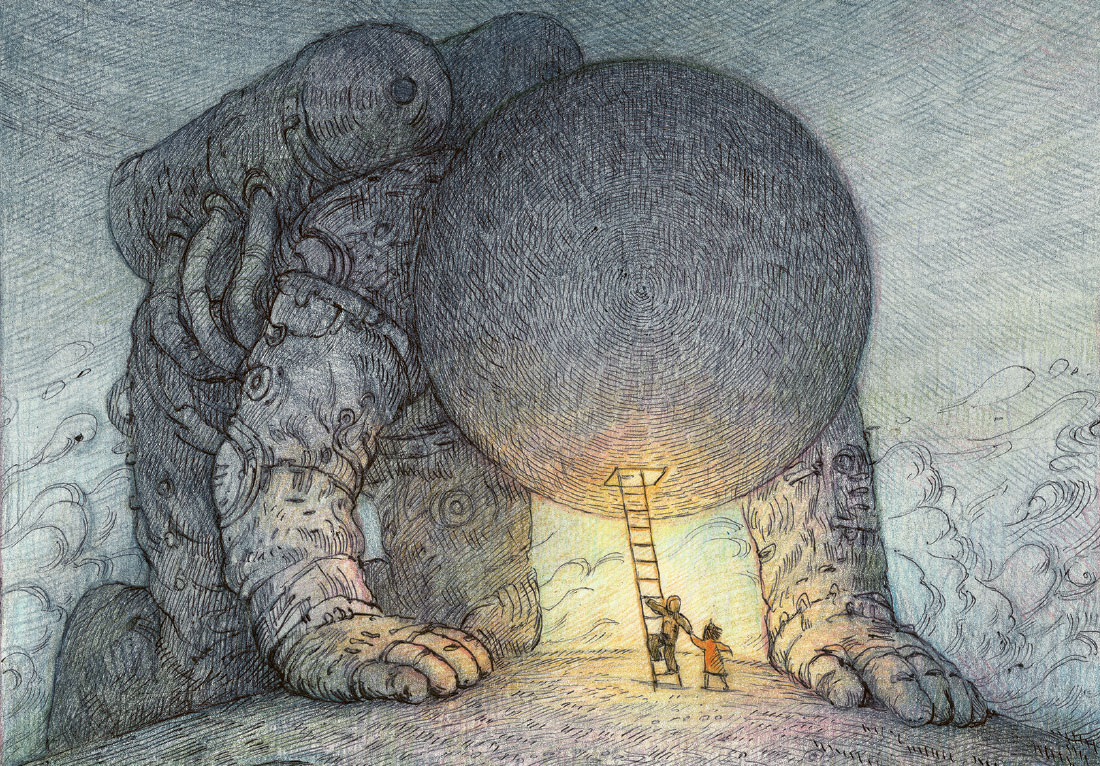
Meanwhile, back home, Vera and Scarper’s search for their missing friend takes them through the chaotic warzone of the Bear Park and into new and terrifying worlds.
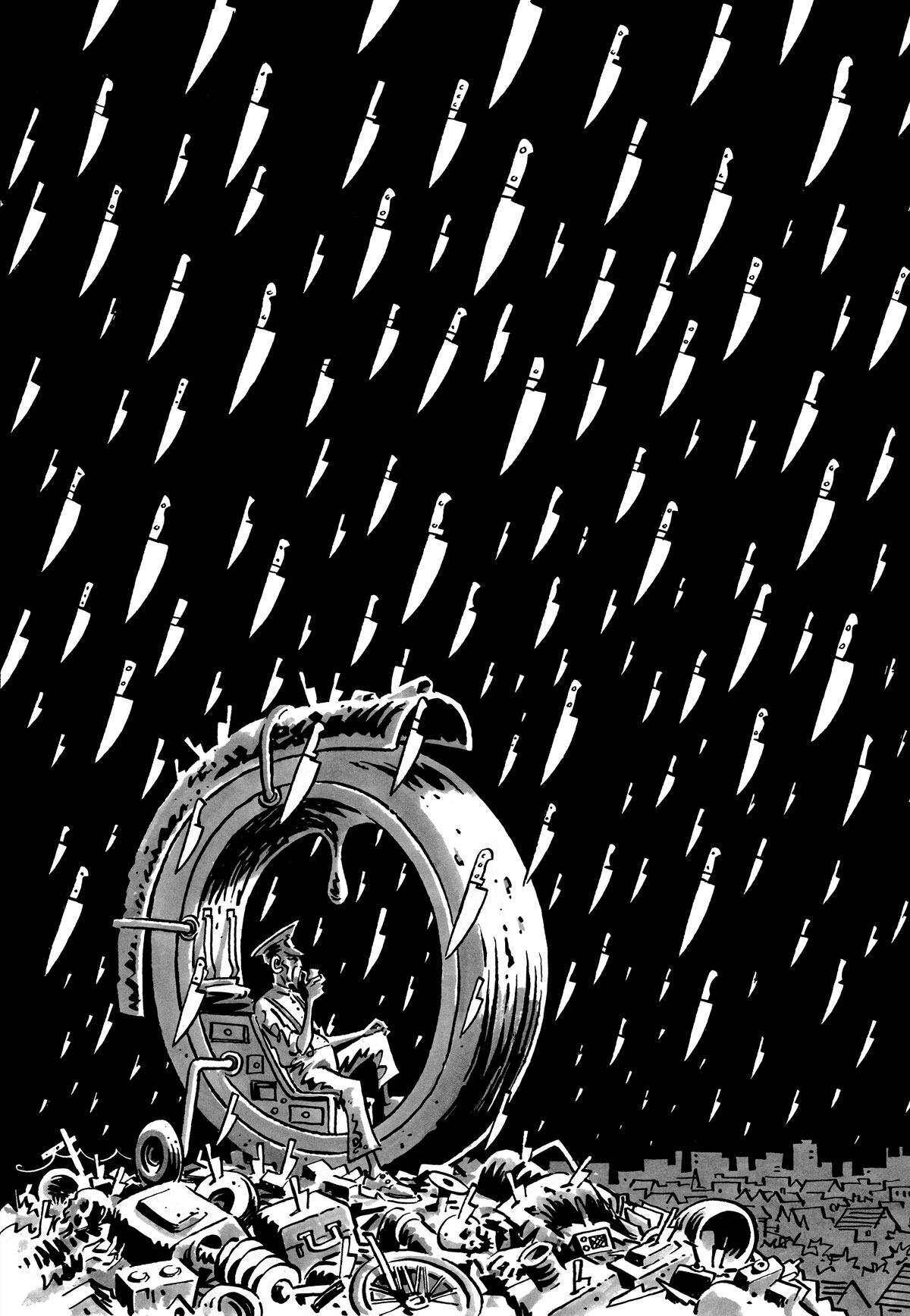
With The Book of Forks, Rob Davis completes his fiercely original trilogy by stepping inside Castro’s disintegrating mind, to reveal the truth about the history of the world, the meaning of existence and the purpose of kitchen scales.
This weekend, we jet off to Canada for one of the highlights of our year: the Toronto Comic Arts Festival. With guests including Mariko Tamaki, Raina Telgemeier, Craig Thompson, Gabriel Bá and Fábio Moon, this year’s show looks like it’ll be as good as ever. What’s more, there’ll be four very special SelfMadeHero creators in attendance: Aimée de Jongh (Blossoms in Autumn), Søren Mosdal (Basquiat), Typex (Andy) and Julian Hanshaw (I Feel Machine). They’ll be signing books on SelfMadeHero’s booth (tables 111-112) in the Toronto Reference Library throughout the weekend, as well as taking part in some intriguing, star-studded events.
On Saturday, Danish artist Søren Mosdal talks to Comic News Insider’s Jimmy Aquino about his approach to capturing the inner and outer lives of New York's archetypal artist ("Basquiat: A Graphic Novel, 12:15, Summerhill Room, Marriott).
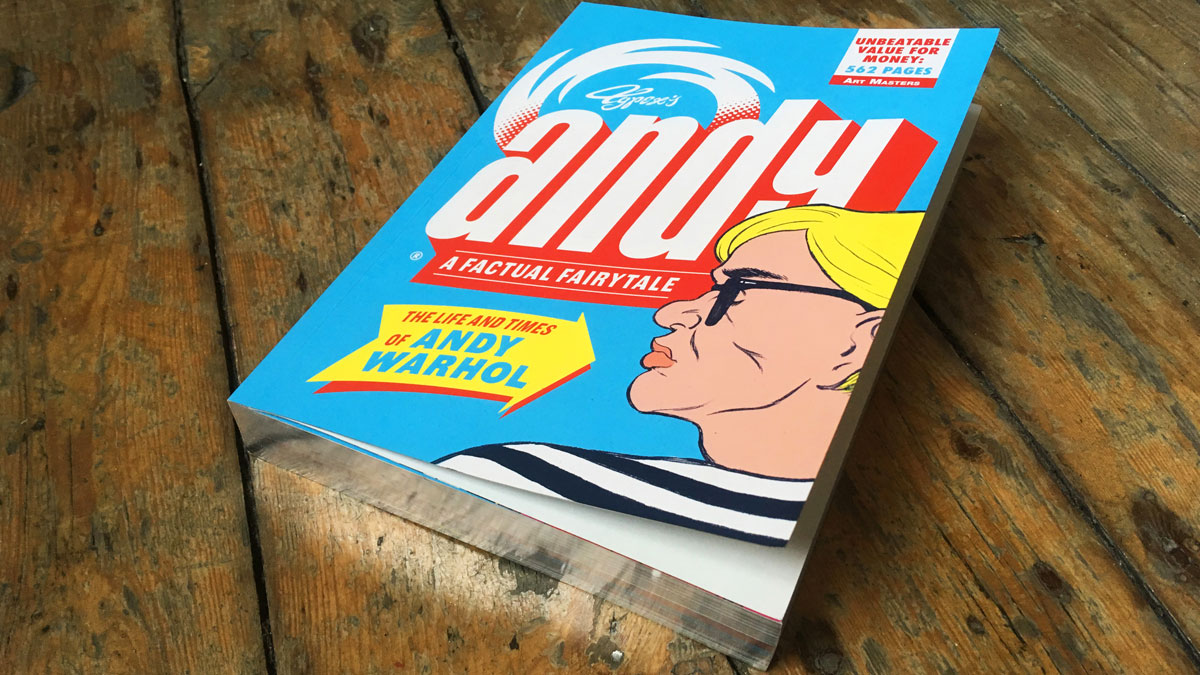
Shortly after that, Dutch cartoonist Typex joins the Netherlands' Comics Laureate Margreet de Heer for a discussion of the past, present and future of Dutch comics ("Stripmakers: Comics in the Netherlands", 14:45, Summerhill Room, Marriott).
This is followed by an interview with a rising star of the Dutch comics scene, Aimée de Jongh. She joins Jimmy Aquino for a discussion of her work, which includes the recently released Blossoms in Autumn and Taxi ("Spotlight: Aimée de Jongh", 16:00, Summerhill Room, Marriott).
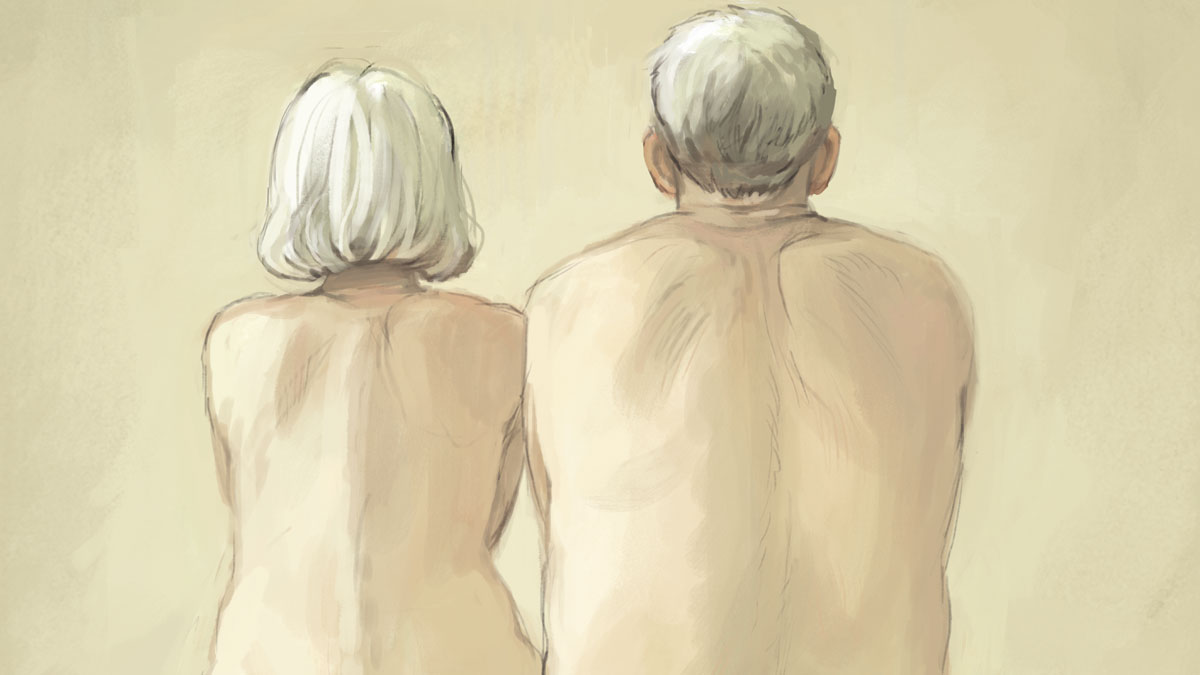
On Sunday, Aimée de Jongh is back in action as part of a discussion of the older generation and how they are represented in the comics of today. She is joined by SelfMadeHero favourite Julian Hanshaw (I Feel Machine) and comics superstar Seth, among others ("Characters of Age", 10:30, Learning Centre, Reference Library).
And finally, Typex and Søren Mosdal join fellow graphic biographers to discuss why comics is the ideal medium to tell other people's stories ("Other People's Stories", 14:45, Hinton Learning Theatre, Reference Library).
What more could you want? Well, actually, there’s quite a lot more: check out the full TCAF programme here.
The Will Eisner Comic Industry Awards are the so-called "Oscars of Comics". Hosted by the San Diego Comic-Con, the annual prize-giving recognises many of the best creators working today, from colourists to webcomic artists. We're delighted that this year three SelfMadeHero creators feature on the list of nominations.
ifm-shaun-tan.jpg395.3 KB Broken Frontier said of Shaun Tan's contribution to the tech-themed anthology I Feel Machine, "Tan provides us with more world-building brilliance in 20-ish pages than some fictional universes manage in their entire existences. Every inviting panel feels like it could spin off another story in itself." The Eisner committee agreed, and "Here I Am" was nominated for Best Short Story.
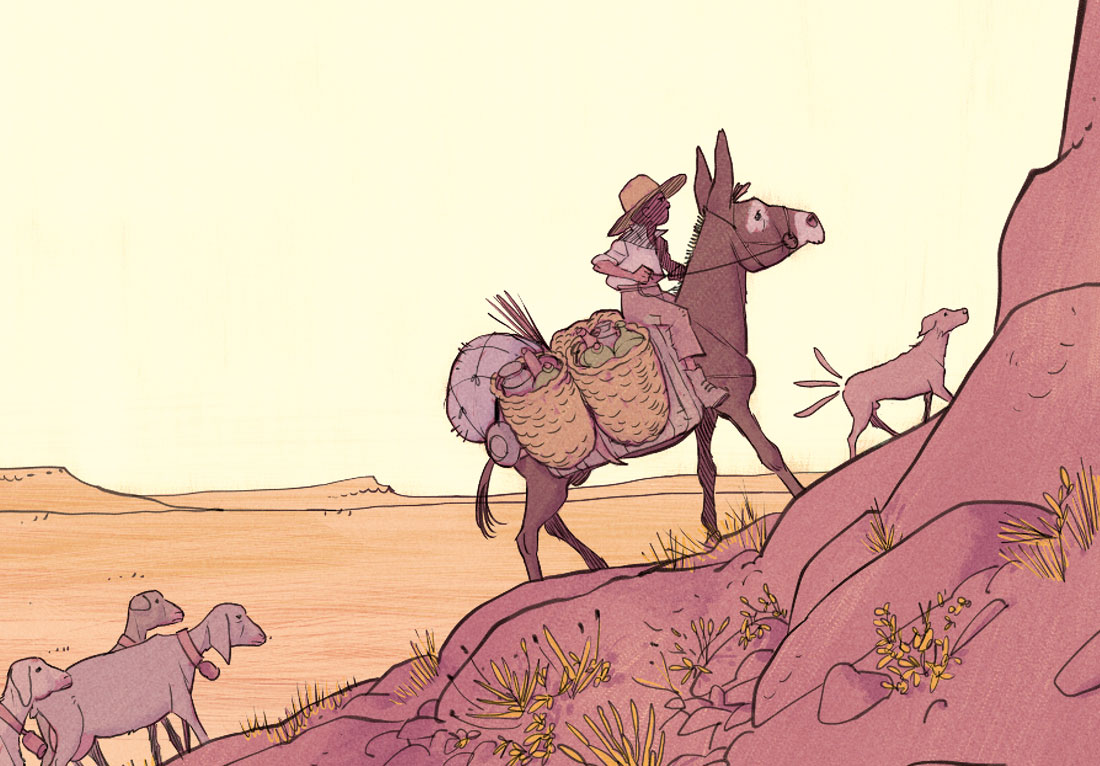
oito-blog-1.jpg162.17 KB Jesús Carrasco and Javi Rey's high-stakes dystopian drama, Out In the Open, is up for the Best Adaptation from Another Medium prize. Telling the story of a young boy who escapes a town ravaged by violence and drought, it is a bleak and yet hauntingly beautiful take on Carrasco's award-winning novel of the same name.
This year's Eisner Award winners will be announced at the San Diego Comic-Con on 19th July. For a full list of this year's nominees, click here.
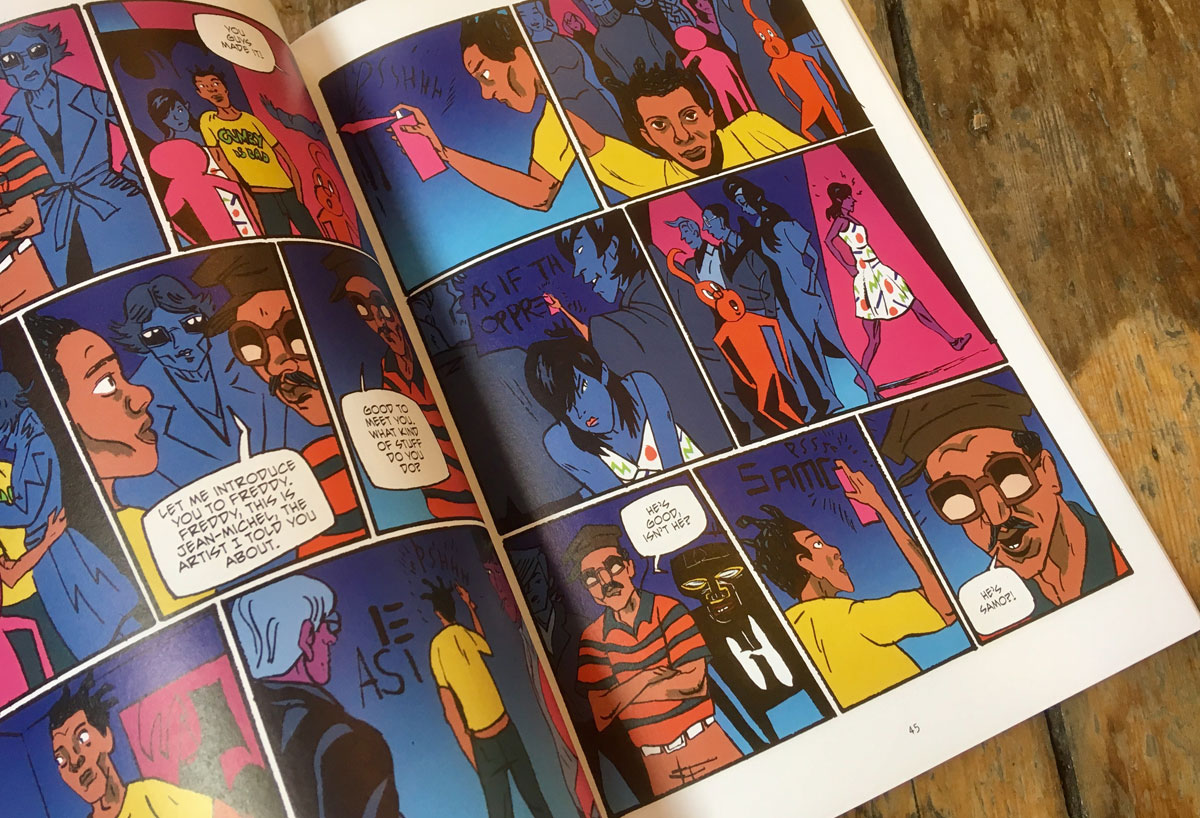
The dazzling, provocative work of Jean-Michel Basquiat would come to define the vibrant New York art scene of the late '70s and early '80s. Punk, jazz, graffiti, hip-hop: his work drew heavily on the cultural trappings of Lower Manhattan, to which he fled – from Brooklyn – at the age of 15.
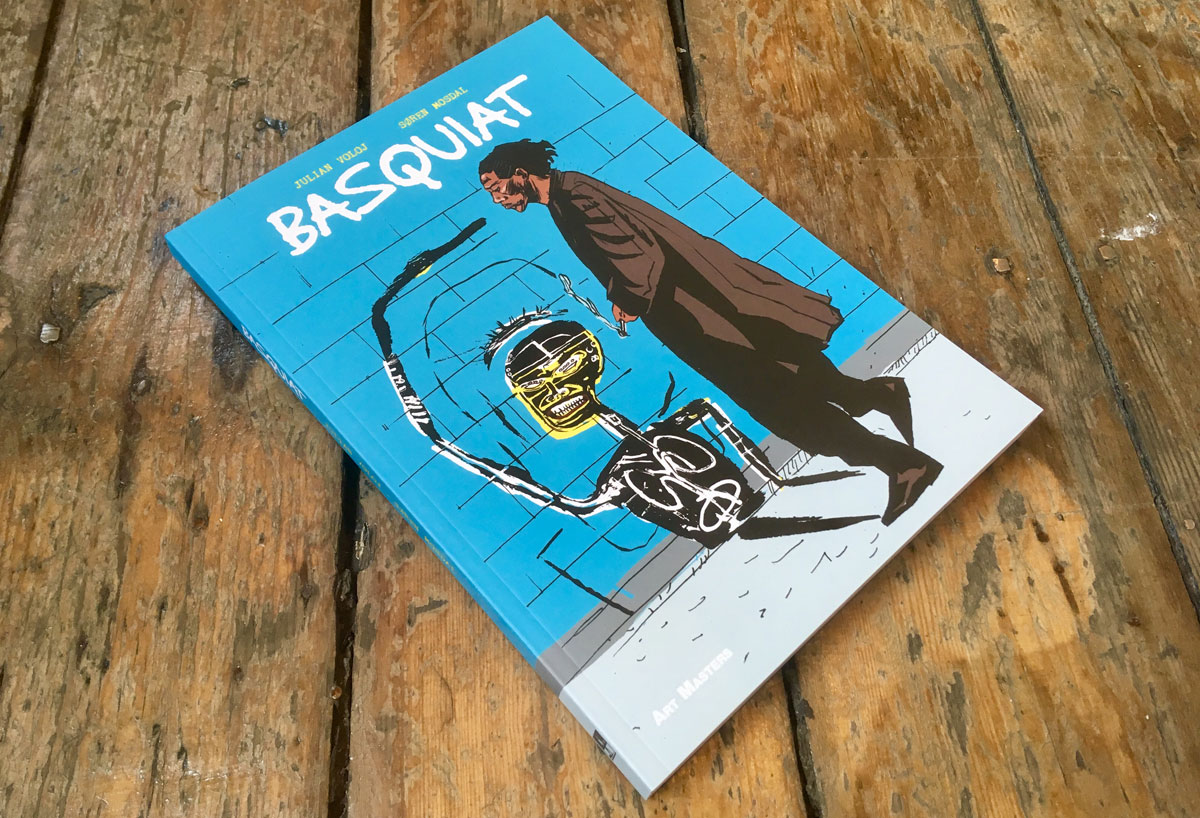
Basquiat-1.jpg277.51 KB In Basquiat, the latest book in our Art Masters series, writer Julian Voloj and artist Søren Mosdal meld biographical research with speculation to capture the inner and outer lives of the archetypal New York artist.
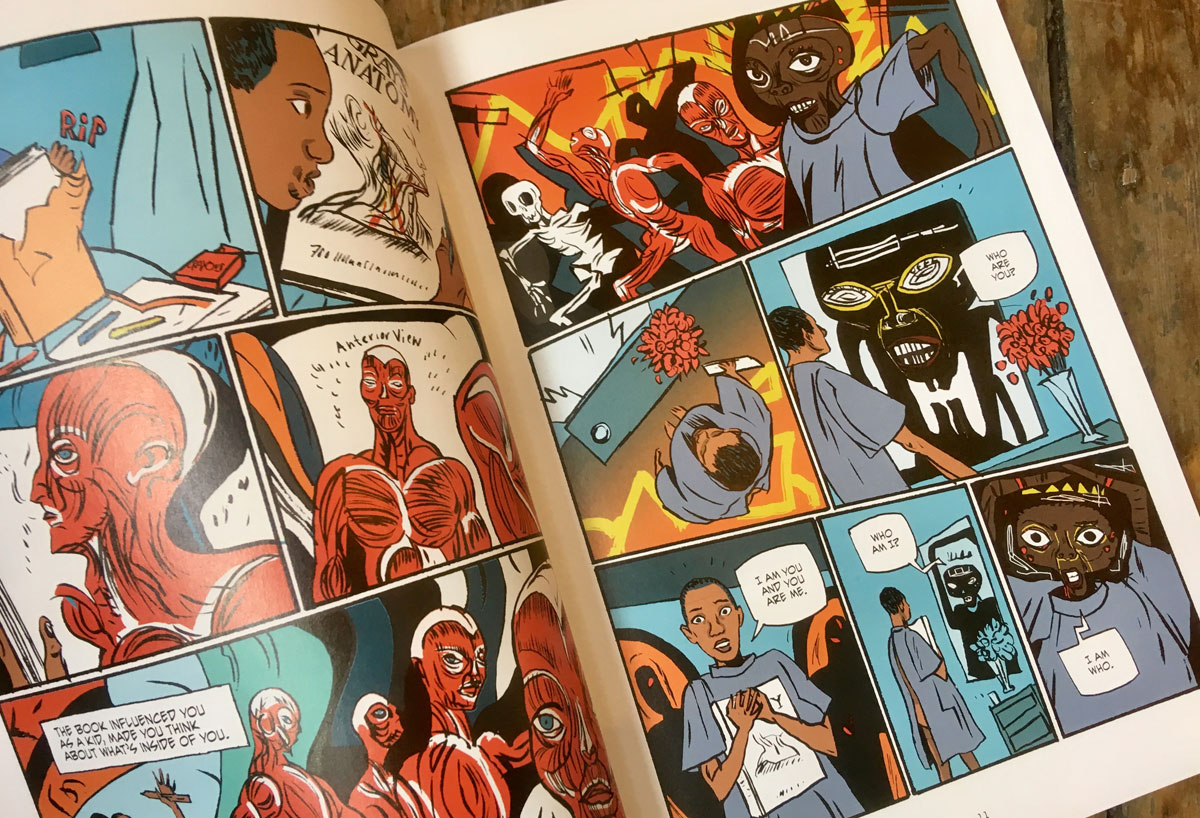
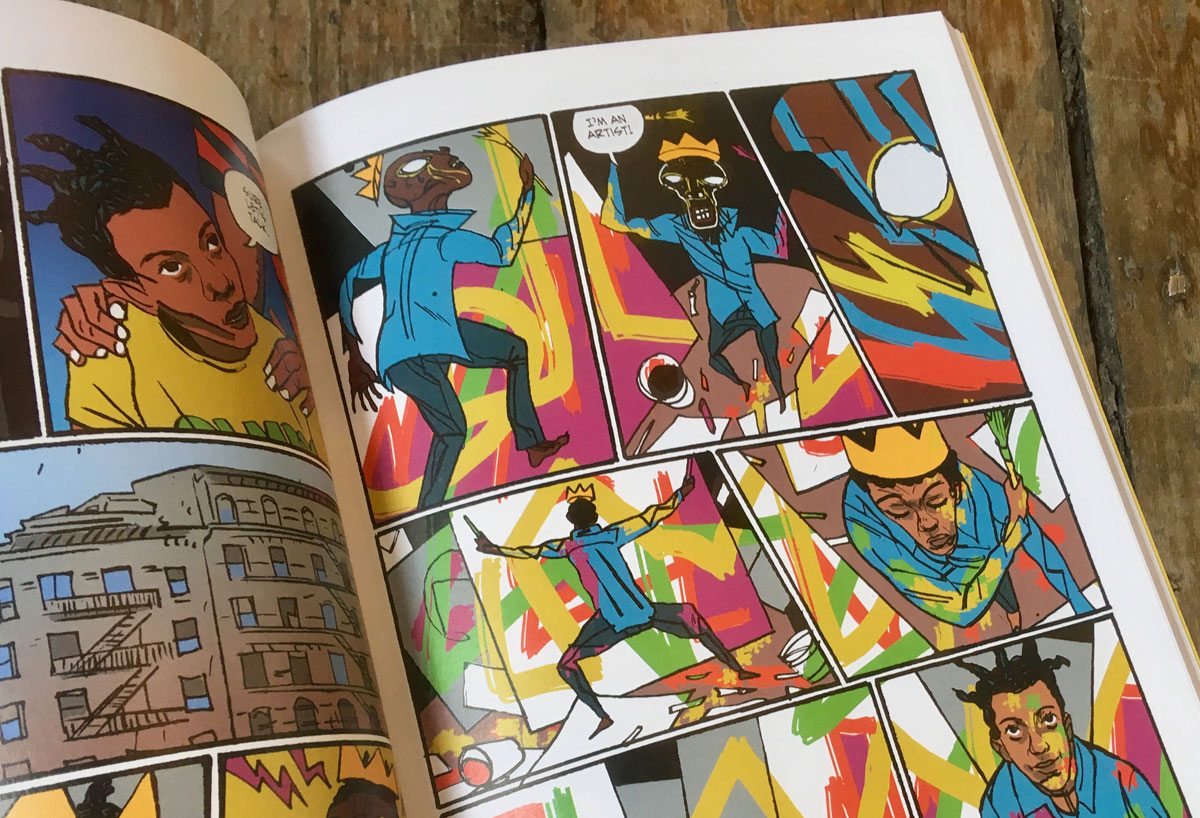
Grounded in true events, from the SAMO graffiti project to encounters with Andy Warhol, Basquiat is propelled by a clash between the artist and his demons. It shows a man grappling with questions of art and love, fame and friendship, while creating some of the most influential and enduring art work of the 20th century.
Basquiat-2.jpg271.17 KB Julian Voloj and Søren Mosdal's graphic novel is a compelling portrait of a man whose influence, three decades on from his death at 27, stretches far beyond the world of fine art into design, fashion, music and beyond.
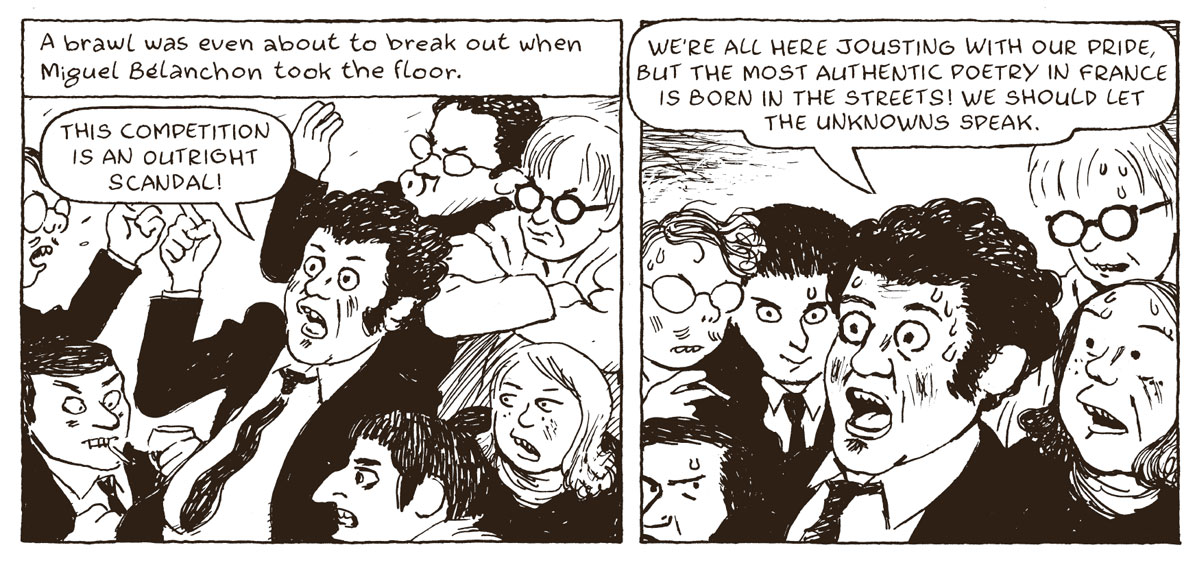
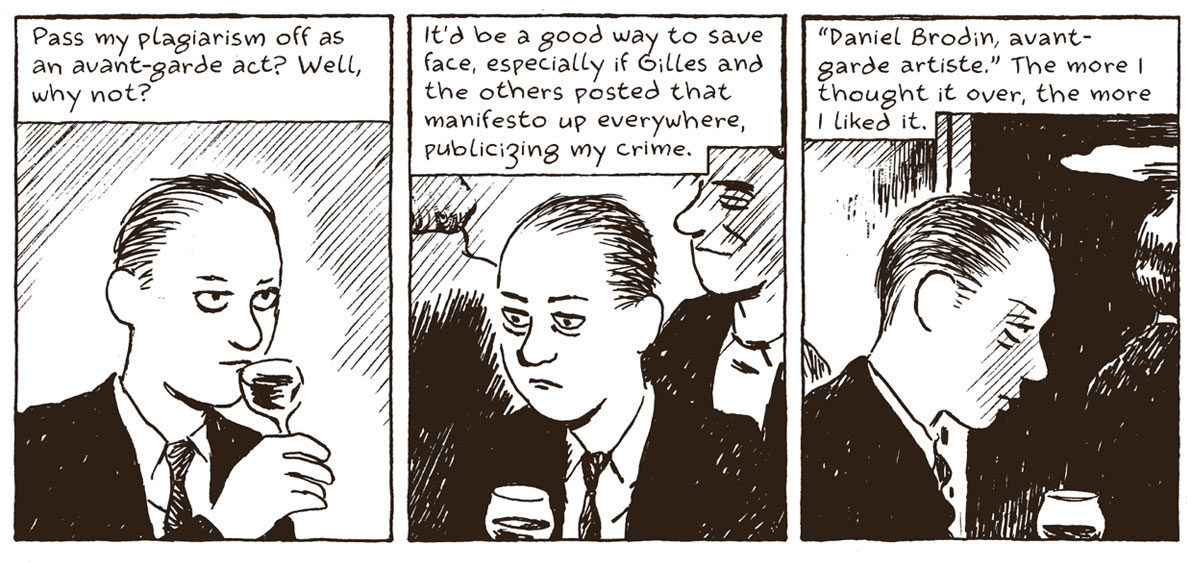
Bibliophile, book thief, poet: Daniel Brodin, the troubled protagonist of Alessandro Tota and Pierre Van Hove's Memoirs of a Book Thief, is the perfect literary anti-hero. Like his beloved Arthur Rimbaud, Daniel has escaped a "loathsome" provincial town for Paris - and he's determined to make an impression.
On the evening of 10th April 1953, in the heated atmosphere of the Café Serbier, home to the Parisian literati, one luminary suggests giving the floor to an unknown. Daniel seizes his chance.
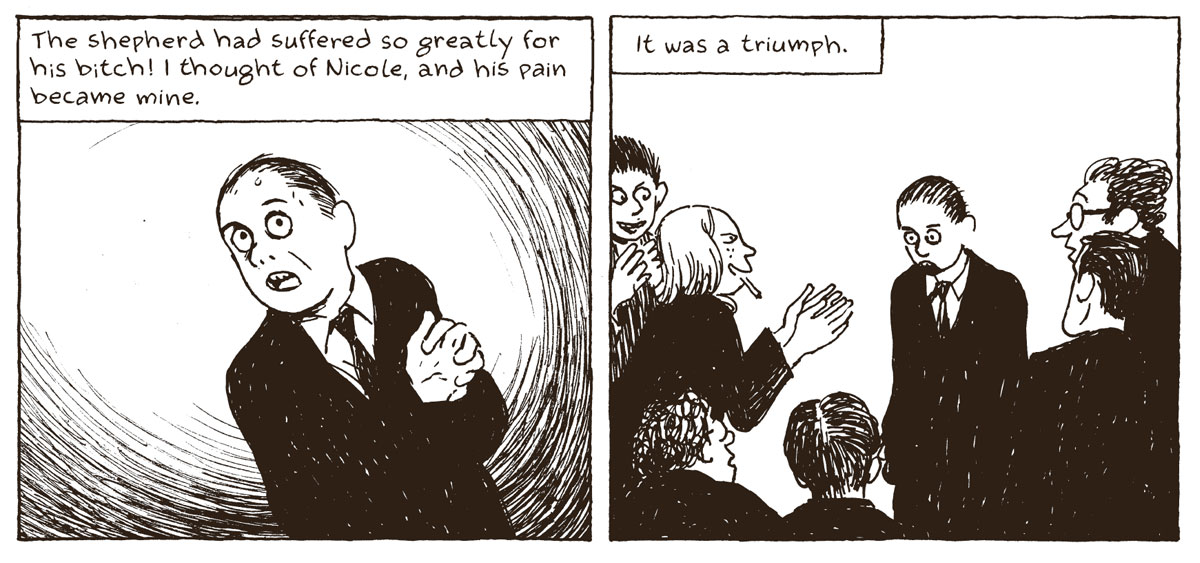
memoirs-1.jpg207.94 KB Under pressure, he recites not one of his own surrealist poems but an obscure piece of Italian verse he's certain no one will know: "The Shepherd's Bitch".
The audience is enraptured. Offers of publication, invites to literary soirées, promises of meetings with Jean-Paul Sartre: that night, Daniel gets everything he could have wished for. But there's someone else in the room who recognises his recital for what it is is: an act of plagiarism.
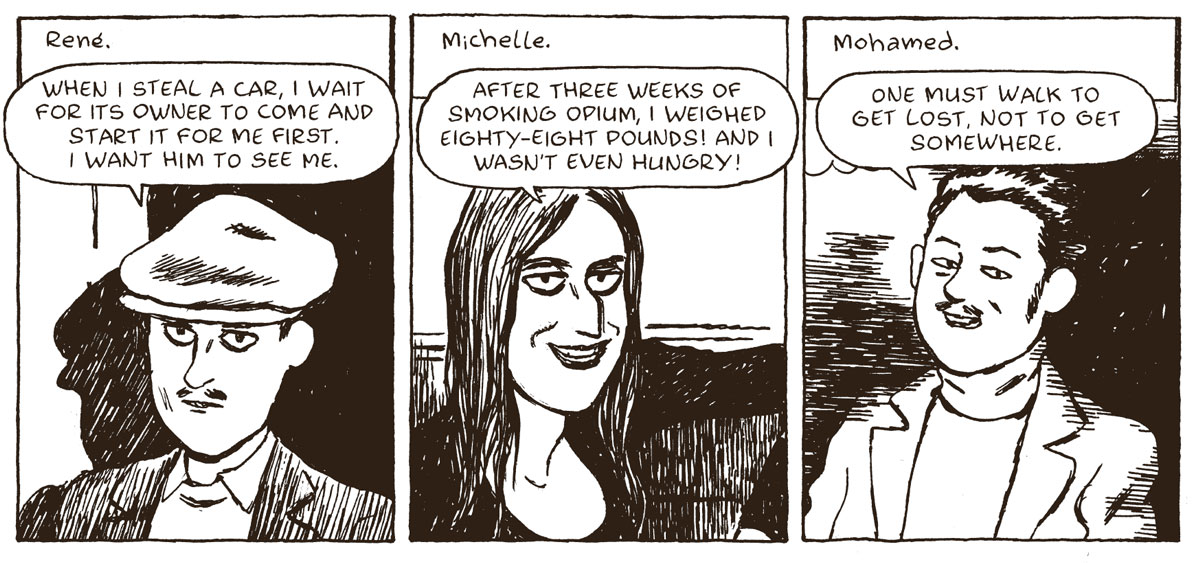
But as Daniel anxiously awaits his fate, he discovers another side to literary Paris. For this band of cultured rogues and pseudo-revolutionaries, surrealism is passé, work is for suckers and theft is tantamount to poetry.
In the light of their theories, Daniel's plagiarised recital can be seen as a revolutionary avant-garde act. He has revealed the Parisian intelligentsia for what they are: imbeciles!
But Daniel's reinvention of himself as an avant-gardist brings it's own problems. As one act of deception follows another, events take on a momentum of their own and Daniel is swept up in a lifestyle marked by criminal activity and excess.
In Memoirs of a Book Thief, Alessandro Tota and Pierre Van Hove have created an intoxicating coming-of-age story that will make you want to quit your job, drink a gallon of wine and embark on a psychogeographical expedition.